
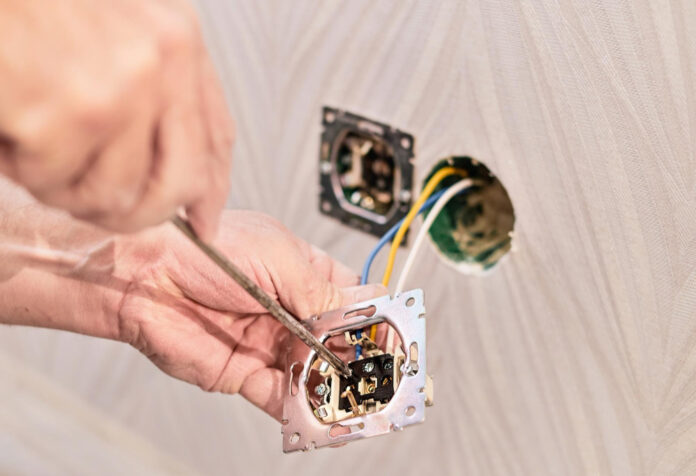
Wiring an electrical outlet is not something most people plan or know how to do, but it happens. If you follow the instructions and tips, you can do it safely yourself. How to wire an electrical outlet so it even passes inspection and stays safe over time? Electrical codes exist for a reason, and requirements focus on outlets because mistakes are common and easy to miss.
And you won’t see outlet issues before it’s too late. But as long as you follow the code, you don’t have to worry about those problems now or in the future. It also makes troubleshooting easier later on, since everything is laid out the way an electrician expects to see it.
Safety Precautions When Wiring Outlets
Before any work begins, shut the power off at the circuit breaker. Not the switch, not the outlet. This may seem obvious, but it is overlooked more frequently than you think. This is the most basic requirement under the National Electrical Code (NEC) and keeps you safe. Confirm the circuit is dead using a voltage tester.
Next, make sure you have the right materials. Code isn’t flexible about wire size or outlet rating. A 15-amp circuit needs 14-gauge wire and a matching outlet. For a 20-amp circuit, you need a 12-gauge wire and a 20-amp receptacle. Your outlet might still work if you mix them up, but it doesn’t meet code requirements.
For a more in-depth look at how to change an outlet at home, check out our article on the topic.
Step-by-Step Guide to Wiring an Outlet
Prepare the wires
Strip insulation so you see no bare copper beyond the terminal screws. If the wires are damaged, trim and restrip them. Make sure you have clean wire ends for stronger connections.
Connect the wires to the outlet
Another thing to be very careful about is correct wire placement, because the code is strict here. The black (or sometimes red) wire is the hot conductor and connects to the brass-colored screw. The white wire is neutral and attaches to the silver screw. The bare or green wire is the ground and attaches to the green grounding screw. The National Fire Protection Association says that reversed polarity increases shock risk. Wrap wires clockwise around the screws.
Secure the electrical box and outlet
Install the outlets in an approved electrical box. Clamp them, and don’t overcrowd them inside the box. Fold the wires back inside with care and keep the ground wire away from the hot terminals.
Install required outlet types
By law, some rooms need GFCI protection. That’s Ground Fault Circuit Interrupter, a safety feature that shuts off power when it detects an electrical imbalance. The places that need it are kitchens, bathrooms, garages, basements, and outdoor locations. t’s even more important to pay attention to the line and load terminals when you’re working with GFCI outlets. If it’s the incorrect placement, it can stop it from protecting downstream outlets. For more info about this topic, the Electrical Safety Foundation International offers clear guidance.
Final checks and testing
If everything looks fine, it’s time to close the outlet and test it. Mount the outlet flush with the wall surface, install the cover plate, and turn on the power at the breaker. Then test it to confirm everything works. You can do this with a normal device that you plug in, or with a voltage tester.
Troubleshooting Outlet Wiring Issues
If something went wrong and your outlet isn’t working, there are some things to try before calling an electrician to help. The biggest mistake is a loose connection, and you will notice it yourself after a while, because the outlet will get warm or stop working. This means the wires weren’t secured. Turn off the breaker and recheck connections.
The next mistake is reversing the wires, which causes reversed polarity. It means the wires were connected to the wrong terminals. If you think this might be it, you can use an outlet tester to spot it.
GFCI outlets have their own issues. If a GFCI won’t reset, the line and load wires could be reversed, or there may be a downstream fault. Double-check the wiring layout to see what’s wrong.
If everything seems right, but the outlet still isn’t working, the problem is most likely upstream. It could be from a tripped breaker, a loose connection in another outlet on the same circuit, or a damaged wire you didn’t spot.
If you tried everything and you still can’t tell why your outlet is not working, it’s time to contact a licensed electrician. It’s their job to always meet code requirements, so it will keep you and your house safe.