
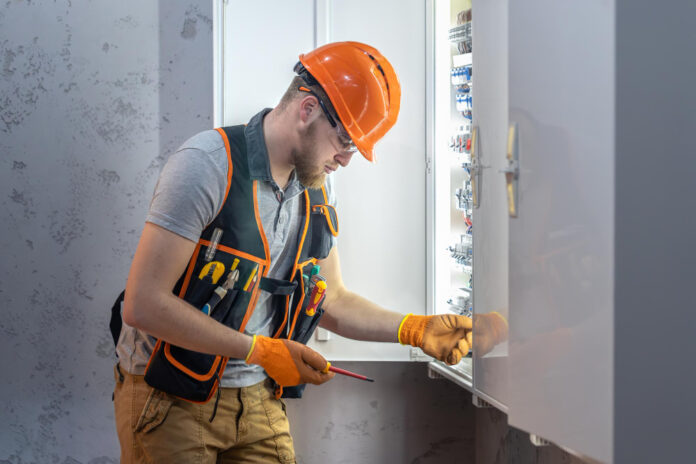
Electricians power the places where we live, work, and play. In Georgia, skilled workers are pulled into jobs faster than before, which makes this an ideal time for you as a beginner to start training. For those who want a career that lets you solve problems, work with your hands, and earn a good wage, looking for electrical classes in GA lines up well with where the work is headed.
And there are many paths you can choose to take to follow this dream: community colleges, trade schools, apprenticeships. You can learn at your own pace, as long as you gain real knowledge that employers value and understand industry codes. No matter what kind of electrician you want to become, if you want to work in residential wiring, commercial projects, or industrial, training is a very important first step. The right guidance can turn anyone with a little curiosity about electricity into a real electrician.
Electrician Career in Georgia
First, in Georgia you don’t need a four‑year degree to become an electrician. Georgia doesn’t require electricians to hold a state license if they work under a licensed electrical contractor, which means you can start training and being paid without the traditional college route.
The electrician salary in GA vaeries form workplace to workplace, but data from the U.S. Bureau of Labor Statistics shows that mean wages for electricians hover around $60,000 per year, but different places have different wages.
If you are looking for options beyond Georgia, our guide on Best Electrical Courses for Beginners in Florida covers all you need to know.
Paths to Electrical Training in GA
Each path has pros and cons, so you’ll want to think about your own learning style and schedule. You can enroll in college, pick an apprenticeship, or find an online hybrid class. Your first step into this world is your choice, but your journey still needs to follow a few rules if you want to be able to get your license and work.
Technical Colleges and Trade Schools
Community and technical colleges across Georgia offer electrician course programs. Just like other programs, they have both classrooms where you learn the theory and hands-on labs. They walk you through the basics and teach you the most important things about being an electrician.
At Georgia Piedmont Technical College and Atlanta Technical College, you can find programs that run from certificate levels up through associate degrees. They’re great for people with little to no background in the field and make real work less intimidating. These programs last around two years. However, school alone does not replace the 8,000 OJT hours you need for qualification and licensing eligibility.
Apprenticeship Programs
If you don’t want to focus on class instructions, or you would prefer to also earn while you train, apprenticeships are huge in electrical training. Apprenticeship programs have to be approved by the U.S. Department of Labor Office of Apprenticeship.
One option in Georgia is the Independent Electrical Contractors (IEC) apprenticeship, which lets you work, earn, and train all at once. This is a non-union program. After about 8,000 hours of work and 576 hours of coursework, you’ll qualify for national journeyman recognition.
Another route is the Atlanta Electrical Contractors Association (AECA) apprenticeship program. It also has paid training with classroom instruction and mentorship.
As a timeline, expect an apprenticeship to last around 4 to 5 years. You may finish it a little earlier, but you still need to complete the required hours of supervised training if you want to apply for a license.
Electrical Contractor License
In Georgia, the state‑issued license that people recognize as the electrician license is actually an electrical contractor license. It lets you do everything:
- Work independently
- Pull permits
- Bid projects
- Run your own electrical business
For this, you need a contractor license issued by the Georgia Construction Industry Licensing Board, Division of Electrical Contractors.
The state issues two kinds of electrical contractor licenses: Class I and Class II. The difference is in how big and complex the jobs are that you’re allowed to take. The “two classes” only matter if you want to run your own electrical business or pull permits in your own name.
Requirements
- Be at least 21 years old.
- Provide documentation of 4 years of electrical experience
- Submit three references from licensed contractors or qualified supervisors.
- Pass the state electrical contractor exam with at least a 70% score
If you apply for a Class I (Restricted) electrical contractor license, you take the Class I electrical contractor exam. That exam focuses on residential and small commercial systems, with some limits.
If you apply for a Class II (Unrestricted) electrical contractor license, you take the Class II electrical contractor exam. This covers a much bigger range of material, including large commercial and industrial systems.
Final Thoughts
Becoming an electrician in Georgia is just as much of a job choice as it is a lifestyle choice, in a way. You work, you solve problems, you see the immediate impact of your work. And it’s very important to start with the right beginner electrician course in GA, which can save a lot of headaches and give you the confidence to continue. A good course puts you on a path where the demand and the paychecks are at a level with your dedication. Explore the programs at Georgia Piedmont, Atlanta Tech, TCSG, and even some online options. The first step is intimidating, but once you’re in, is starts to make a lot more sense.