
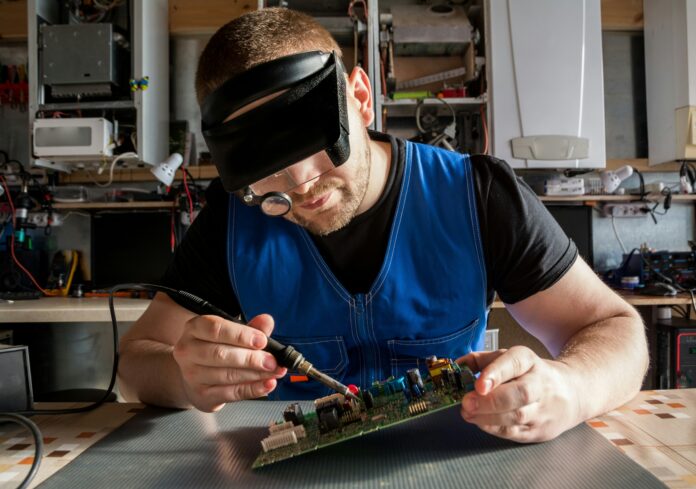
Just like any other trade, an electrical license in the United States starts with proper training, work experience, and passing a state-approved exam. Working with electrical systems involves many safety risks and strict codes to follow, so states only allow electricians with proper education and experience to work independently. Anyone who wants to know how to get an electrical license must begin with training.
You need a mix of coursework plus real-world training supervised by someone already certified. Classroom lessons cover electrical theory, but hands-on experience teaches you the skills you need. Passing the test takes book knowledge along with proof that you’ve completed hands-on training. Leaving out either part means you won’t get permission for the exam.
Licensing rules shift from one state to another, so checking local guidelines makes sense if you want an electrician license where you live. Here’s a look at how the system works nationwide, spotting common ground plus details that might change depending on your location. Keep reading to find out if you can work as an electrician without a license, and what limits apply.
Why an Electrical License Is Important
An electrical license is a legal requirement, but it’s also more than that. It shows that you have the skills and knowledge to perform electrical work safely and according to code. Licensed electricians are trusted to work with systems that can cause serious injury or cause serious damage to properties.
Starting, some states demand proof of training if you’re choosing to work independently as an electrician. Skip that step, and you won’t be able to find many employers who want to take a risk on you, and the pay will be lower. Worse, breaking these rules leads straight to penalties or court visits. There are some simple steps you need to follow in order to get your license, starting from high school all the way to your exam.
If you want to know what the best electrician courses are in your state, check out our guides, such as Best Electrical Courses for Beginners in Georgia.
Step 1: Understand Your State’s Licensing Requirements
The first step in how to get an electrical license is to learn what your state requires. In the U.S., electrical licensing is handled at the state or local level. This means there is no single national license that works everywhere.
Some states issue licenses directly, while in others, you need to check with your county or city to see who manages licensing.
There are different license levels:
- Apprentice electrician
- Journeyman electrician
- Master electrician
- Electrical contractor
For each level, you need to pass a different exam, and you need a different level of experience. Before you begin training, the best thing to do is visit your state licensing board’s website or labor department page to check the exact rules.
Step 2. Meet the Basic Requirements
Almost everyone can start training as an electrician, no matter the age or where they come from, as long as they meet some requirements. Each state could ask for something different, but they usually ask for the same basic qualifications. You must:
- Be at least 18 years old
- Have a high school diploma or GED
- Be legally eligible to work in the U.S.
- Have basic math and reading skills
In some states, you may also need to do a background check or proof of residency. If everything is fine, you are allowed to enter an apprenticeship or training program, the first big step towards getting your license.
Step 3: Enroll in an Electrical Apprenticeship Program
An apprenticeship is the foundation of an electrical career, and the place where all electricians learn how to do their job. Here, apprentices get to do paid on-the-job training, but also go to classes to learn electrical theory.
Apprenticeships are offered either by union organizations or non-union trade associations. Sometimes, they can be done through an lectrical contractor, but also through community colleges. It depends on what kind of program you prefer and what’s the best one near you.
These programs usually last four to five years and include thousands of hours of supervised work. During this time, you learn how to work safely on job sites
For a complete list of state and territory licensing boards, the National Association of State Contractors Licensing Agencies (NASCLA) provides direct links to every state’s official website.
Step 4: Gain the Required Work Experience and Classroom Hours
In addition to the supervised training, most states require some hours of classroom instruction to be able to take your exam. This education focuses on electrical theory, code requirements, safety practices, and local regulations, and has similar questions everywhere. There are a few websites that help you with getting ready for your exam, such as
Classroom hours are mandatory and have to be completed through an approved program. You usually need to finish around 500-600 hours.
When you get close to finishing your apprenticeship, you need to document a specific number of work hours. This is very important if you want to be able to take your license exam. You need around 6,000 and 8,000 hours of supervised experience, which you can gain in around 4 to 5 years. This experience has to be verified by a licensed electrician or employer. Without this proof, it’s possible for your application to be denied, even if you completed the training.
For help finding apprenticeships, the U.S. Department of Labor – Apprenticeship Finder has all off he apporved programs near you. You can filter it by state and find the contacts for your preferred training.
Step 5: Apply for the Electrical Licensing Exam
If you made sure you meet all the requirements and you finished your apprenticeship, the next step is to apply for the exam. Applications are usually submitted to your state licensing board or an approved testing agency.
Some documents to have ready are:
- Proof of work experience
- Certificates of completed classroom hours
- Application fees
- Personal identification
Applications are submitted to your state licensing board or an approved testing agency, such as Pearson VUE, which administers electrician licensing exams.
Step 6: Prepare for and Pass the Licensing Exam
The licensing test shows how much you truly understood, not only what you can recall. Though many of these tests are open book, but even so, with the time limits, you still need to be very well prepared. Studying code is just as important as understanding the material itself. Passing the exam is the final major step in getting an electrical license.
With this license, you can now legally perform electrical work within the scope defined by your state. With some licenses, you can work independently, while with others, you still need supervision. Make sure you understand the license’s limits, especially if you plan to take on side jobs or contracts.
Consider Advancing Your License Level
A lot of electricians choose to keep training and pursue more advanced licenses. You can get a master electrician and electrical contractor license, and for that, you will need additional years of experience and then pass a more comprehensive exam.
These are the licenses you need if you want to supervise others, pull permits, and have your own business.
Can You Work as an Electrician Without a License?
In the U.S., the answer is no, with little room for interpretation . If you want, you can work as an apprentice or helper under supervision, but you can not perform actual independent electrical work. For anyone aiming to do this job full-time, expect licensing as part of the path. Skipping it isn’t really an option.
Working as an electrician without a license comes with many legal and financial problems. If you violate your state laws, you can get fined, or even get criminal charges, so it’s not worth risking it. In some cases, working with the wrong license may lead to stop-work orders from local building authorities.
You will also have a problem with insurance and benefits. Insurance does not cover accidents caused by unlicensed electricians. Any damage you cause, you have to pay. This risk alone is why you need proper training and licensing.
It’s also very difficult to find a job. Employers avoid hiring unlicensed workers, and opportunities for higher-paying roles become almost impossible. Even homeowners who attempt to do electrical work without a license face risks. Many states allow limited DIY work, but it may come with insurance problems.
How Long Does It Take to Become Licensed And Costs
From start to finish, the process of becoming an electrician takes around five to seven years. Starting out usually means signing up for an apprenticeship right after high school or training programs. Some take tests earlier than others depending on how fast they learn hands-on skills. Those aiming for niche fields like industrial or commercial systems have to take on multiple exams and longer training.
It’s not a short and simple road, but it’s structured. You can see the progress clearly, and you know that after you finish this process, you will have a stable job at the end waiting for you.
Depending on where you live, prices shift a bit. You earn while working in apprenticeships, this setup shows up often, balancing expenses. Classrooms at local colleges or training centers are more expensive. A full course might cost anywhere from one thousand to five thousand dollars.
State journeyman exams cost between $50 and $150. Once past the test, another cost might show up – renewing your license could run from fifty to one hundred fifty dollars. That charge stands apart from earlier fees.
For official state-specific fee information, you can go to the U.S. Department of Labor Apprenticeship site and your state licensing boards to find details on fees by location.
License Renewal and Continuing Education
You need to renew your electrical licenses in the U.S., usually every 1–3 years, depending on the state. There are always new informations coming up, and otherwise you may face fines, and you may even lose your authority to work. In most states, you need to continue your education (CE) before renewal. For example, in some states, you need to complete:
- California: 32 hours every three years. California DIR
- Texas: 4 – 8 hours every three years, depending on license type. Texas TDLR
- Florida: 14 hours every two years. Florida DBPR
If you want to learn more, there are a few national resources to start with. The U.S. Department of Labor’s Apprenticeship Finder lets you search registered electrical apprenticeship programs in your state.
Continuing education, or CE, means doing it through online courses, workshops, or seminars. This is the place where you learn the updates to the National Electrical Code to safety practices, plus any new state-specific rules.
Final Thoughts
Learning how to get an electrical license isn’t fast, and it’s occasionally frustrating. But once you understand the system behind it, everything clicks into place. Good training helps you build something real, skills you will have for a lifetime, and a career that will last through every economy.
In the United States, licensing is necesary if you are serious about electrical work. Start with approved training programs and official licensing boards, then follow state guidelines carefully. Working without a license is convenient in the short term, but you can face some serious legal. A licensed path offers stability, safer job sites, and creates a clear route forward to becoming a professional electrician.