
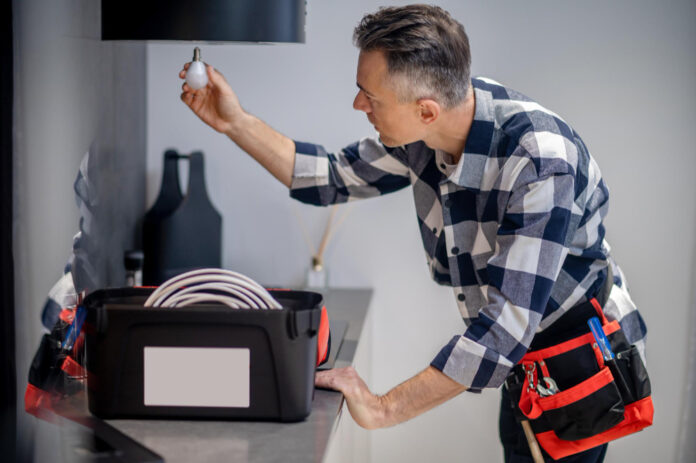
That invisible network of wires, circuits, and panels is a world in itself. And if you are curious, it’s one you can step into with the right training. In Hawaii, where buildings and solar-powered systems rely on good electricians, if you know how electricity works, it opens doors to steady careers. The first step is finding a good electrical course, one that will put you on the right track. And Hawaii has some great schools to get your career started. The opportunities for beginner electricians in HI will teach you knowledge and skills, and combine classroom with training. The electrician’s salary in Hawaii is competitive, especially for those with proper training, so here’s a look at training options and what it takes to get started as a licensed electrician.
How to get started
In Hawaii, apprenticeships are the backbone of electrician careers. To become fully licensed, besides the exam you need to pass, you have to work. That means about 8,000 hours of paid on‑the‑job experience with around 570 hours of formal instruction, spread over several years. Apprenticeship programs combine classroom time and work experience together so you’re learning while earning. This is the best choice if you are serious about your career.
Most people start with apprenticeship training, butit doesnt have to stop here. Licensing boards in Hawaii expect ongoing education and experience. Training becomes the foundation for a career you’ll build over time.
A helpful overview of the essential skills you need before you make a decision can be found in this article on key skills and knowledge you need to be an electrician.
Top Places to Start Your Electrical Courses
Honolulu Community College – Electrical Technology
This is a college course focused on hands‑on learning with accessible instructors. Honolulu CC’s program covers the essentials: circuitry, code, installation, and safety. After finishing this, graduates launch into apprenticeships with confidence.
Hawaii Community College (Hilo)
You don’t have to be on Oʻahu to start your electrical training. Hawaii Community College in Hilo also has good programs that meet state licensing requirements and are closely aligned with the Big Island’s trade needs.
Kaua‘i Community College – EIMT (Electrical Installation & Maintenance Technology)
Situated on Kaua‘i, the EIMT program is designed to get students working with industry standards from day one. It covers core electrical training, and it also includes energy conservation and renewable energy systems, helpful if you’re thinking about branching into solar or other sustainable energy work. These topics are a big deal in Hawaii, where solar sustainable practices are becoming the norm.
Apprenticeship Programs
Apprenticeships are the traditional way to go from learning the theory to practicing working. These programs combine paid training with instructions and are the way most electricians become licensed in the state. Apprentices have to complete 8,000 hours of supervised work and about 570 hours of formal instruction to take the licensing exam.
In Hawaii, the apprenticeships are administered through organizations like the Hawaii Electricians Training Fund (HETF) and the International Brotherhood of Electrical Workers (IBEW) Local 1186.
To enter an apprenticeship program, you have to:
- Be at least 18 years old
- Have a high school diploma or GED
- Pass an aptitude test of math and reading
- Be physically capable.
Wages during apprenticeship reflect the mix of training and work. The average wage is around $58,000 per year, or $28 per hour.
Licensing
In Hawaii, the Board of Electricians and Plumbers regulates journey worker and specialty electrician licenses. To sit for the journey worker electrician exam, you must meet several requirements set by Hawaii law. You have to be at least 18 years old and must show evidence of supervised work experience. That is at least five years of full‑time electrical work, not less than 10,000 hours. You also need to have completed electrical coursework of at least 240 hours from a recognized program.
Once your application is approved, you’ll be eligible to take the official licensing exam. These exams are administered through contractors like PSI Services, LLC. The exam is multiple‑choice, based on the National Electrical Code (NEC) and Hawaii electrical regulations.
Typical Salary for an Electrician
Money is a big part of why people pursue training and licenses in the first place. The electrician salary Hawaii is shaped by a few factors, like your experience, where you work, and the type of work you do. The mean annual wage for electricians in Hawaii was reported at about $86,690 per year, higher than in many parts of the mainland. Entry-level positions for beginner electricians HI might start lower, but climb fast if they are competent.
Final Thoughts
If you’re just starting to think about an electrician career, know that there’s no single right way to do it, but there are proven paths out there. Begin by carefully picking electrical courses, either at a college or within a well-built apprentice setup, to build real skill from day one. This job takes dedication, true, though many find it pays off since jobs keep coming and the work keeps your mind and hands engaged.