
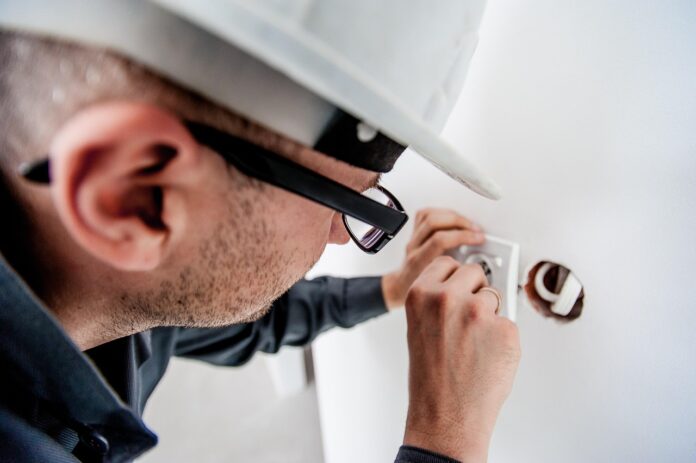
Choosing to start working as an electrician isn’t for the faint of heart. In Minnesota, it takes someone with a certain kind of ambition. This is true if you are leaving a different career or just want a job where you actually see the results of your hard work. Moving into the electrical field is a smart move. It is a sector that values maturity and a solid work ethic. As the cities grow, the demand for electrical training mn is getting stronger. For someone who wants a steady paycheck and a respected skill, this path offers a real future.
Beginner Electrician in MN
When you look at the career trajectory of a beginner electrician, the initial steps look scary. The state has some rigorous licensing standards. Minnesota does not let just anyone wire a commercial complex, the Board of Electricity demands documented classroom hours and thousands of hours of experience.
However, the payoff is very good. The average electrician salary in Minnesota competes well with many white-collar roles. When you factor in the lack of the big four-year university debt, it becomes even more appealing. Journeymen in the Twin Cities or the Duluth area frequently see their earnings go above the state average, sometimes even six figures.
If you want to check out other course from around the country, we talk about some of the best courses in other states, such as Best & Trusted Electrical Courses for Beginners in Maine.
Educational Paths in the North Star State – College
When you are looking around for an electrician course in Minnesota, check both the curriculum and the physical facilities. You want a program that prioritizes the National Electrical Code, but also has enough bench time to get your hands on the actual hardware.
1. St. Paul College
Located in the heart of the capital, St. Paul College offers one of the most respected electrical program diplomas in the region. Their program focuses more on construction electricity.
The college has a massive laboratory where students build out full-scale residential and commercial simulations. They have ties with local contractors, which helps when it comes time to find your first apprenticeship.
2. Dunwoody College of Technology
For those who prefer a more academic waya, Dunwoody in Minneapolis is well regarded for technical education. This institution has operated for over a century. A degree from here carries weight across the entire Midwest. You will cover everything from basic circuitry to advanced motor controls in a two-year program.
3. Hennepin Technical College
Hennepin Technical College has campuses in both Brooklyn Park and Eden Prairie. It’s an accessible entry point for those who may need to balance school with family or existing work commitments. Their electrical courses are usually more pragmatic.
The Union Route: IBEW and the JATC
To some, the traditional college route feels like a detour. If you already have some base knowledge of electricity, you can go directly to an apprenticeship.
The Joint Apprenticeship and Training Committee (JATC) offers a work-first model. This is the union path through the IBEW. You start as a pre-apprentice or a first-year apprentice, earning a paycheck from day one. Your education occurs in blocks, usually a week of school for every few weeks of work, or a couple of evenings per week. It is a five-year commitment, but it results in a Journeyman license and a network that lasts a lifetime.
- Minneapolis & Western Suburbs (IBEW Local 292): This is one of the largest programs in the state.
- St. Paul & Eastern Suburbs (IBEW Local 110): For students on the east side, it’s right in St. Paul.
- South Central Minnesota (IBEW Local 343): This covers Rochester, Mankato, Austin, and Winona.
- Duluth & The Iron Range (IBEW Local 242 & 294): There are two main hubs: one in Duluth and one for the Iron Range.
What to Expect on the Job
The life of an electrician in Minnesota is different from specialization to specialization. It is a cerebral trade. You must know how to look at complex blueprints and troubleshoot failures that aren’t always visible.
The physical reality is also very present. Much of the training is done on industrial and outdoor applications. It is demanding work, but for a person who prefers a tangible result at the end of their shift, it gives satisfaction.
- Math: You must be comfortable with algebra and basic math.
- The NEC: The National Electrical Code is updated every three years. Electricians treat this book as their primary reference tool and keep updating their knowledge.
- Licensing: In Minnesota, you register as an unlicensed registered technician or electrician with the Minnesota Department of Labor and Industry.
Final Thoughts
Perhaps you are looking for a career that offers more than just a paycheck. Or you are scared of the prospects of our current job markets and what careers will pass the test of time. Becoming an electrician offers a sense of fulfilment that many careers don’t. And its training is made to favor hard-working individuals who are ready for a long career. From beginner electrician to Master Electrician, the steps are well-defined. If you have the patience to learn the code and want to work in the varied climates of your state, the rewards are there for the taking.