
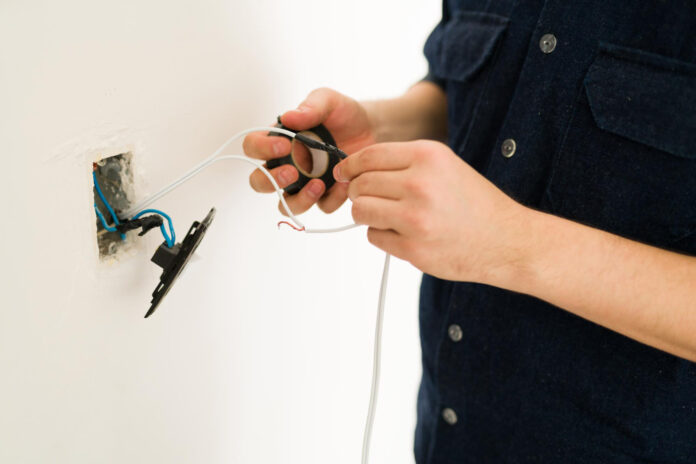
If you are a new homeowner or didn’t participate in the construction of your home, you probably don’t think much about outlets. You know their perfect placement and that there are never enough of them, but you don’t know how to change them yourself. But it’s a skill that can come in handy, especially at times when you may be alone, and an electrician isn’t available. In the United States, residential outlets are designed to last for years, but daily use and older wiring standards all take a toll. If you want to do it, replacing an outlet is a manageable DIY project if it’s done carefully.
This guide explains how to change electrical outlets correctly, in the safest way possible.
How to Know When an Outlet Should Be Replaced
Electrical outlets are not permanent fixtures. According to the U.S. Consumer Product Safety Commission (CPSC), damaged outlets are a very common cause of residential electrical fires. You should plan to change the electrical outlet if you notice any of the following:
- Plugs feel loose
- The outlet has discoloration
- You notice burn marks, buzzing, or unusual warmth
- The outlet works only sometimes or not at all
Even if your outlet seems fine, if your house is older than 50 years, you should consider changing the outlets if it was never done. In older American homes, especially those built before the 1980s, electrical outlets no longer meet modern safety expectations.
How to start changing your outlet
First things first, don’t do anything before shutting off the power at the breaker. Siping it is a very common, but unfortunately, a very dangerous mistake. Locate your home’s electrical service panel and switch off the breaker that controls that outlet. Breaker labels are not always accurate, so confirm that the power is off by plugging something in, like a lamp. If you have one available, also use a voltage tester to double-check.
Some tools and materials to have at hand are:
- Flathead and Phillips screwdrivers
- Needle-nose pliers
- The replacement outlet
- Electrical tape
- Outlet cover plate
If you ever see anything like sparks or smoke while working on an outlet, stop immediately. Electrical fires are different than ordinary fires. See our guide on How to Put Out an Electrical Fire Safely at Home or Work, which covers what to do and what to avoid in these situations.
Remove the Outlet and Inspect Wiring
Remove the faceplate screw and set the plate aside. Next, unscrew the outlet from the electrical box and gently pull it forward. Do everything with care and don’t rush or try to pull really hard. If you have to use lots of force, you are doing something wrong.
Before disconnecting anything, take a moment to inspect the wiring. You will see three wires: a black wire that is hot, a white wire that’s neutral, and the bare copper or green wire. If you see any damage to them or the insulation, a simple outlet change won’t fix it. This is the moment to call a professional and have them handle the rest, because it needs a more complex repair.
Install the New Outlet
Now comes the part that scares people, but it’s actually very simple. All you have to remember is that you attach the wires to the new outlet as follows:
- Black wire to the brass-colored screw
- White wire to the silver-colored screw
- Ground wire to the green screw
Wrap each wire clockwise so that tightening the screw pulls the wire inward. Tighten firmly, don’t use too much force. Just to be sure, electricians recommend wrapping electrical tape around the sides of the outlet to cover exposed terminal screws.
Fold the wires neatly into the box. Think tidy, but not too stuffed. Mount the outlet so it sits straight, then reattach the faceplate. If it’s crooked, it’s not just annoying visually, movement over time can loosen connections.
Restore the Power and Test it
Turn the breaker back on and test the outlet with a device or voltage tester. If you see any issues or if the outlet does not work, turn the power off again and recheck wiring connections. If it still won’t work, keep the power off for that outlet and call a trained electrician. These issues with electricity can become dangerous if left alone. If you want to find out more about electrical safety, The Electrical Safety Foundation International (ESFI) has a lot of resources to check out.
Final Thoughts
You don’t need to be a trained electrician to fix small things around the house. An outlet is one of those things that are easy enough to do by yourself, but you need to be careful and stay informed. If something feels off, trust that instinct. If you’re unsure, stop. There’s no trophy for finishing fast. But when done properly, learning how to change electrical outlet components, one at a time, is a skill that sticks with you. And the next time a plug feels off, or you just wanna change it with something newer, you won’t panic, you’ll grab a screwdriver.