
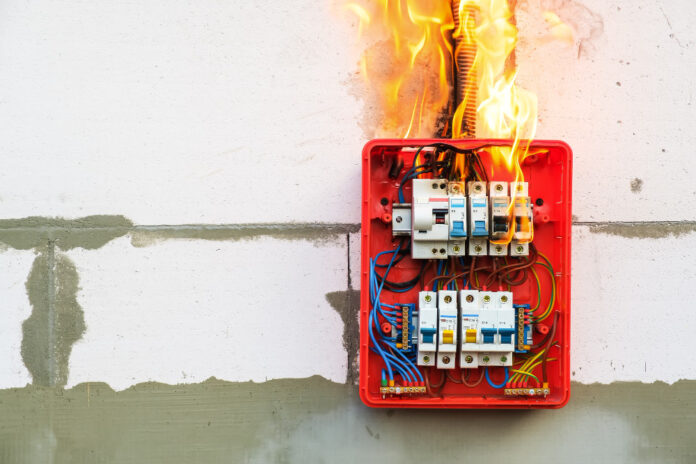
If you’ve ever experienced that eerie, quiet moment before a disaster, you know they come unannounced, and an electrical fire is a tricky one. When people ask how to put out an electric fire, what they actually mean is ‘what do I do without making things worse?’ That’s the right question, because electrical fires punish bad instincts quickly.
You may have a few seconds to spare. You smelled something first, or you saw a little smoke. But electrical fires are totally different than normal ones. Flames look small, but can be actively fed by the current. And all the intuitive tools you may want to reach, like water or towels, can all turn very dangerous in seconds. No one plans to use this knowledge, but having it memorized can be the difference between life and death.
Recognizing an Electrical Fire
An electrical fire usually starts from an overloaded circuit or an old or damaged wire. The difference between them and open-flame fires is that these smolder behind walls or inside wallets before becoming visible.
What are the main signs of an electrical fire:
- A persistent, sharp burning smell that doesn’t fade
- Lights that flicker without a cause
- Popping or buzzing sounds that come from an outlet
- Wall plates or outlet covers that feel too warm to the touch
If you see any of these signs, its better to be safe rather than sorry. An electrical fire might start inside a wall, which is why the damage might not look that bad at first. The danger lies in the current still feeding the fire, which makes it behave differently. That’s why reacting to it like a normal fire might get you hurt and make the situation even more dangerous. The NPFA website has more information about fire prevention and home fire safety.
Safety precautions to take
First things first, before reacting in any way, decide if it is worth it to put yourself in danger. Keep yourself safe by keeping a distance and being aware of what is going on. Don’t act if you think there is nothing more you can do. Stepping back here is the right call.
After calling the fire department, if smoke or fire isn’t in the way of the main disconnect or the breaker, go and shut the electricity off. Cutting the power is the best thing you can do in this situation, as it removes the fuel of the fire, and it also removes the risks of anyone getting shocked. Don’t touch any wires or outlets, and keep water away from the fire.
Water is never an option when it comes to electrical fires! If the smoke is too dense and you can’t see the supply, it’s better to back away and not take risks.
Using Alternative Fire Suppressants
The best option for an electrical fire is an extinguisher. But if you don’t have one near you, there are a couple of other things you can try.
After you’ve shut off the power and the fire is small, your next best option is to smother it. This means you’ll have to find ways to cut off its oxygen, so it can die. Try to find a fire blanket, dry sand, or a solid non-conductive cover. These are all good alternatives, but should only be used on small incidents, not on bigger, spreading fires.
There are many tips and tricks on the internet, like using baking soda, wet towels, or water. But none of them are truly safe, and they can make the fire worse. Electrical fires are not the place for improvised solutions, so if there is any uncertainty, stepping away is the safer option.
What not to do:
- Pouring water on the fire
- Using a cloth to smother the fire
- Attempting to move burning appliances or cords
- Cutting corners because the fire ‘looks’ small
Cooling down the electrical fire
You have successfully put out the fire, and you think you can just go back to normal. But unfortunately, electrical fires hide some more dangers. One of the most overlooked parts happens after the flames are gone. The components, the wires, and the insulation can stay hot long after the fire stops, and that heat can bring your fire back.
That’s why you don’t want to touch anything for at least a few minutes. Watch for smoke or heat, or any unusual sounds, keep the power off, and don’t plug in anything yet. It’s obligatory to wait a little while when we are talking about electrical fires, no matter where you are, unless you want to start the fire back on.
For more information on outlets and wiring safety, you can visit the Consumer Product Safety Commission, a government source on home electrical safety.
Knowing When to Call for Help
When it comes to your or anyone else’s safety, it’s always better to be cautious. If the fire stops being a small, controlled flame, it’s usually more than a normal person can manage and it’s time to get help. If the fire spreads, if the smoke thickens, and people start coughing, or if the fire involves many electrical wires or a panel, it’s time to act. Grab people, go outside, and call the fire department.
It’s good to be prepared, but if the situation gets dangerous, it’s not worth it to prove you know how to put out an electrical fire. Smoke inhalation is a serious risk on its own, especially inside, and electrical faults can even lead to sudden flare-ups or explosions.
For a deeper look at the skills and knowledge needed to handle electrical systems safely, see our guide on Key skills and knowledge you need to be an electrician.
How to Prevent Electrical Fires
As we mentioned earlier, it’s better to be safe than sorry. And these mean taking a few precautions and forming habits that help keep electrical fires from starting in the first place:
- Avoid overloading outlets or power strips: Contrary to popular belief, outlets aren’t designed to have multiple devices plugged in constantly. Spread devices across multiple circuits instead of cramming them into one outlet.
- Inspect cords: There should be no makeshift DIYs when it comes to electrical connections in the house; any damaged wires should be inspected and repaired by a licensed electrician.
- Use appliances safely: Unplug small appliances when you don’t use them and avoid leaving them unattended. Unplug everything you don’t need to be on when you leave the house.
- Keep flammable items away from heat sources: Lamps and heaters should never be near curtains, cloth, or paper.
- Update old wiring: Electrical systems, no matter how professional, can only last so long. Older houses should be inspected by a licensed electrician every few years.
- Check extension cords: Only use the appropriate cords for your devices and don’t run them under furniture or carpets.
Final thoughts
Electrical fires can happen anywhere, at any time, and don’t take into consideration whether you are an electrician or not. That’s why there are a few things that everyone should know to be prepared in a situation like this. The goal isn’t to be a hero, but to act smart and stay safe.
Learn to recognise early signs, cut power, keep a safe distance, and never use water. These are the main things that can help make a scary situation easier to control. Prevention matters too, but no matter what we do, fire can surprise us.
Respect the hazard, act smart, and if there is any doubt, let professionals handle it. Electrical fires are dangerous, but preparation and awareness are your best tools. And if you need to learn more about electricity and become an electrician, follow our guides.