
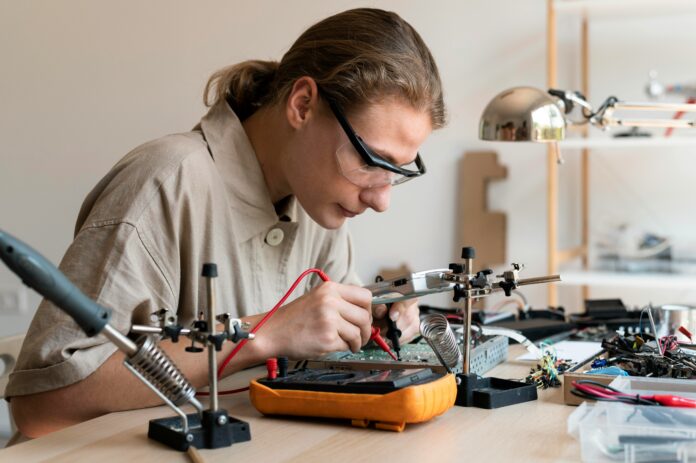
You’ve probably heard someone say that electrical work is risky, or that it’s a solid trade. Still, until you step foot on a job site yourself, the real world of an electrician remains an unknown. When apprentices first start, they jump in with enthusiasm, and sometimes with naivety, only to realize that there’s more to this line of work than most people imagine. Electrical work combines skills with technical knowledge, but also requires constant attention to detail. Electricians have to carry lots of responsibilities. A mistake can affect not only you, but also put others in danger.
Understanding these early saves everyone a lot of headaches. The work is complex, and every apprentice needs more than just enthusiasm. They need to know what they’re getting into, what the work means beyond simply wiring outlets. There are some facts that only an experienced electrician can teach you, but still, no training and books can prepare you for the feeling of doing your first job alone.
The Shocking Truths
Let’s start with the most obvious, but underestimated fact, which is that electricity is dangerous. It’s not a kid’s play when even the voltage in a normal household outlet can kill a person. That’s why apprenticeships never stop teaching safety. It seems like a hustle sometimes, but there is nothing more important than this. You need all of that protective equipment, the insulated tools, and to never forget the safety codes apprenticeships drill in the heads of their students; they’re life-saving essentials. Apprentices need to take safety seriously from day one. Check the National Fire Protection Association’s NFPA 70E for guidelines for safe electrical work in the U.S.
Safety practices apprentices need to know:
- Wear insulated gloves
- Use the correct tool for each task.
- Keep work areas organized
- Test circuits twice before touching them.
- Have proper footwear and grip. Check out more about that here
- Avoid working alone if possible.
- Respect fatigue, it can dull judgment.
Another thing is that electrical work isn’t just done in houses. This is just a small part of it, covered by residential electricians. The rest can be done pretty much everywhere there is power: offices, factories, schools, even outdoors, at power plants. For each, electricians need different techniques. As an apprentice, you need to start thinking early about what kind of work you want to do and focus on the right training path.
Career Insights
A lot of people think about starting an Electrical apprenticeships because they want something quicker than a normal degree. But this isn’t such a quick path. They last from four to five years, which is a pretty long period of time, especially when you have to be fully dedicated.
Many apprentices assume the work is just wiring homes or fixing outlets, but in reality, electricians handle many things: installations, inspections, troubleshooting in industrial plants, renewable energy systems, and even smart home setups. Knowing this early can help a beginner make better career choices, whether they prefer residential or more industrial work.
Electrician Heroes
Maybe you don’t t think of electricians as heroes, but in many ways, they are. They keep power running in our lives, in many places where we don’t even realize just how important it is. Some electricians do emergency repairs and fix systems even during storms or outages. These experts show some of the most inspiring facts about electricians, which is their reliability under pressure.
And not only those who work on big systems deserve the praise. Residential workers and the impact of their job is just as meaningful. There is almost nothing in our homes that would make our day worse except for the electricity being stopped. Installing or upgrading electrical systems keeps families safe and comfortable. It’s easy to overlook, but we place a lot of trust in electricians’ hands.
Behind the Scenes
Electricians work a whole lot with their heads, doing very complex calculations. They read blueprints, do math, and comply with the National Electrical Code (NEC). All the theory they memorize helps them prevent problems and make sure their work is as good as possible.
And for them to do that, they need the tools to match their willpower. Not just having the best brands, even though that matters, but also knowing how to use them and how to choose the right tool for a specific task. Keeping the tools in good condition is another part of the job. It’s not fancy, but professionals do it with the same care each day.
And any electrician will tell you, troubleshooting is considered one of the most satisfying parts of the job, especially when things work in their favor. Identifying why a system isn’t functioning needs methodical thinking and testing. Add some creative problem-solving, and you have an expert who won’t back away from anything.
A Day in the Life
A typical day for an electrician apprentice can start at a construction site, where you might install wiring for lighting and outlets. Later, you could be inspecting a panel or testing circuits. Some days involve simple work, other days have you always running, having to think quickly, and adapt to problems.
You need to be physically fit. Not an athlete, but well enough to lift equipment, climb, or do work in small spaces. If you think you can just do your work and no one will bother you, then you are gonna be suprised. Soft skills matter. Explaining work to clients and collaborating with other trades are essential.
But at the end of the day, you enjoy tangible results. You see what you’ve fixed working and you get the will to do it again, day after day.
Final Thoughts
If you’re serious about electrical work, then embracing this world makes the journey rewarding. These fun facts aren’t trivia, they’re the real things electricians deal with, and the reality of daily work. You’ll encounter situations that defy your expectations, problems that will feel impossible at first, but also build confidence in your skills.
In short, this profession isn’t for everyone. It’s a lot more than just electricity. It’s about a disciplined worker who wakes up each day and puts on their working gloves, ready to help the world get brighter. That’s what sets a beloved electrician apart from everyone else.