
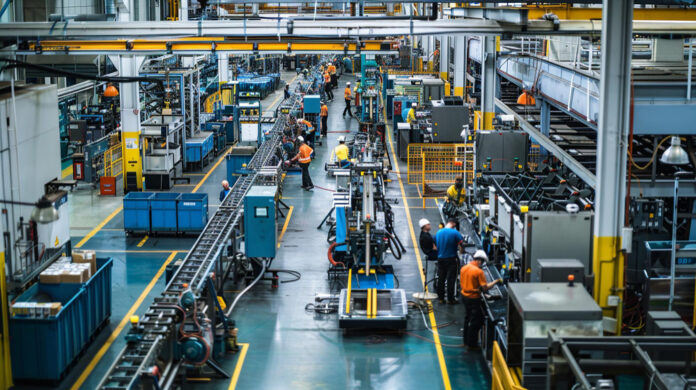
Large factories in the United States are filled with constant buzz, the motion of machines that never stop. The workers there fade into the background, but they are the life behind it, responsible for keeping all of it running safely.
Being an industrial electrician is the kind of work that’s done in the background, out of sight. They step in only when something fails or needs to be upgraded. Manufacturing would collapse fast without their work. So when people ask, what does an industrial electrician do, the short answer is a lot more than most people realize. Next, we will see more of what they do and what the path is for training to become one.
What Is an Industrial Electrician?
An electrician working in the industrial sector is a person who holds an electrician’s license, and works on power setups within industrial-scale environments. Unlike residential electricians, industrial electricians know how to work with high-voltage systems, complex machinery, and automated equipment. All are big systems that aren’t small or forgiving, so industrial electricians are trained to work with care and follow procedures that might seem excessive but exist for good reason.
In the U.S., these electricians are essential to factories, manufacturing plants, food processing facilities, refineries, and large logistics centers.
An industrial electrician does both preventive and corrective maintenance. Preventive maintenance means that machinery and electrical systems run efficiently and safely, while corrective maintenance addresses any problems.
How Industrial Electricians Get Started
The path to becoming an industrial electrician is just as demanding as the job. Most people begin their careers through an apprenticeship. Apprenticeships last four to five years and there, apprentices work and get paid for classroom instruction. From day one, classroom time covers basics like electrical theory along with NEC rules. At the same time, they also do real-world practice, which means following experienced electricians through the job site and getting paid for this work.
After completing the training and passing a licensure exam, you can work as a general electrician. Once you gain experience with motors, control systems and equipment, you can transition into industrial roles.
Licensing, Certifications, and Hiring Requirements
So, what does an industrial electrician do differently to get to where they are? First, licensing and responsibility. To work on your own, you need either a journeyman or master credential. Wherever you’re at changes the rules slightly, yet most places lean on tests tied to NEC and OSHA guidelines. If you want to learn more about this, OSHA’s electrical safety standards can be found here.
When it comes to hiring, U.S. employers look for:
- Apprenticeship or equivalent experience
- An electrician license
- Experience with industrial equipment
- The ability to read blueprints and work under pressure
In unionized places, hiring often goes through organizations like the International Brotherhood of Electrical Workers (IBEW). In non-union settings, electricians are usually hired directly by contractors.
Typical Duties and Responsibilities
A day in the life of an industrial electrician differs depending on where they work, but there are a few things that are the same almost everywhere.
They install and wire industrial equipment, from large motors to automated systems. Every day, they perform inspections so they can catch issues before they turn into a danger or something expensive. They check failures when a machine suddenly stops, and nd they upgrade systems as factories modernize.
These professionals handle high-voltage distribution panels, industrial motor controls, as well as Programmable logic controllers (PLCs). PLCs, in particular, are now a standard part of U.S. manufacturing. Many industrial electricians work directly with PLC programming. For general background on PLCs, Rockwell Automation is a common manufacturer in the U.S.
An underestimated part of what industrial electricians do is that electrical work doesn’t end when the hands-on work is done. Everything must be documented: electrical drawings, panel labels, notes, if something changes, it has to be written down. Otherwise, the next electrician is working off bad information. In U.S. industrial facilities, that documentation ties directly into safety procedures, inspections, and liability. It’s not optional, and it’s rarely anyone’s favorite part of the job, but skipping it always comes back to bite later.
Work Environments for Electricians
Compared to other types of electricians, industrial electricians work in consistent environments. Many are assigned to a single factory rather than moving from job to job. In this aspect, it’s easier to familiarize yourself with a specific facility and its equipment, and your work becomes more efficient.
Specific environments:
- In factories.
- At power plants.
- In warehouses.
- On construction sites.
It’s not the kind of job if you prefer spending your days at a desk. You need to be able to climb, lift, crawl into tight spaces, and get your hands dirty occasionally. Everything you do is regulated by OSHA, and these regulations are taken seriously, at least in well-run facilities.
Important Tools and Equipment
Industrial electricians carry both classic tools and specialized diagnostic equipment. Out in the field, multimeters are used regularly, as well as thermal cameras and torque wrenches, key diagnostic and measurement tools.
And lately, they also carry laptops, using them to check digital blueprints and different programs, such as PLC interfaces. If you want to learn more about tools used by electricians, as well as what brands to have an eye on, this article will help you with the info.
Safety Practices in Industrial Settings
Safety is at the core of every electrician’s work. But especially when you work in industrial facilities with high-voltage systems and constantly moving equipment. Even a small mistake can cause a serious injury or the production to stop. Because of this, those who work with factory wiring stick to tight safety rules.
For example, they always make sure systems are completely de-energized before they start working on them, and they use personal protective equipment like insulated gloves and safety glasses. Safety practices don’t include just using the tools and equipment, they also include habits developed on the job. These are the things industrial electricians do almost automatically: checking a panel before touching it, sweeping across surroundings for danger spots, and moving from one task to another in strict order. Training programs plant these responses early, building awareness so threats are seen early. Also, they know how to respond fast and efficiently when something goes wrong.
Career Outlook in the United States
Looking ahead, job chances for electricians look very strong. The U.S. Bureau of Labor Statistics says openings should hold up well, especially as old systems get modernized, and factories keep automating tasks.
Not every industrial electrician climbs the ladder, some prefer oversight jobs, others handle planning, a few keep researching automated systems. Plenty choose to keep working with their hands. There is no right way to do this. As long as you pick something that gives you satisfaction, that’s the right career for you.
Final Thoughts
To become an industrial electrician, you need years of training and hard work, as well as dedication to the trade, so this isn’t the kind of career people choose by accident. Many are drawn to the nature of the work because they get to work with their hands. Others appreciate that they are solving problems and making a difference. The stability it offers in the U.S. job market is a great addition.
This role sits somewhere between technician, troubleshooter, and keeping everything safe. It’s a position earned over time and refined through experience, in an environment that is risky, pressuring, and rewarding.