
If you are reading this, chances are you are not looking for a four-year college degree that only teaches you the theory, just to be left with loads of debt afterward. You are looking for a steady career that pays well and keeps you working with your hands. You want training that respects your time, and you want to know if it’s worth pursuing this path.
In Nebraska, the electrical trades offer that path. Maybe you want to fix lights in new constructions, or maintain industrial systems, or climb poles for a rural utility company. And electrical training NE is where it all starts. Next are the best beginner electrician training NE available right now, where to find them, and what they pay.
Why Nebraska works for electricians
Before we look at the classroom costs, let’s look at the paycheck. If you are worried about starting over financially, there is good news. The electrician’s salary in Nebraska for apprentices is very competitive. The average annual salary for an apprentice electrician is $55,000. Entry-level positions start around $53,000, and as you gain experience over the first two years, you can quickly earn more than $60,000.
The wage rates for journeymen on federal heavy construction projects are currently sitting between $35.00 and $36.00 an hour, plus benefits.
But you have to get started with training first. Here is how to start.
Central Community College
If you live in central Nebraska and want a degree that counts toward your journeyman license, Central Community College is a very good decision.
CCC offers an Electrical Technology AAS (Associate of Applied Science) degree. This program is specifically designed to make you an apprentice electrician. You don’t just simply learn the theory, it is the specific training the state expects you to have before you start your paid on-the-job hours.
This is a campus program available at Grand Island and Hastings. It requires hands-on lab work, 45 lab hours for the intro course alone. This is ideal for the older learner who knows that you can’t learn to wire a house by watching a video, you need to get your hands dirty.
Western Nebraska Community College – Powerline Specialist
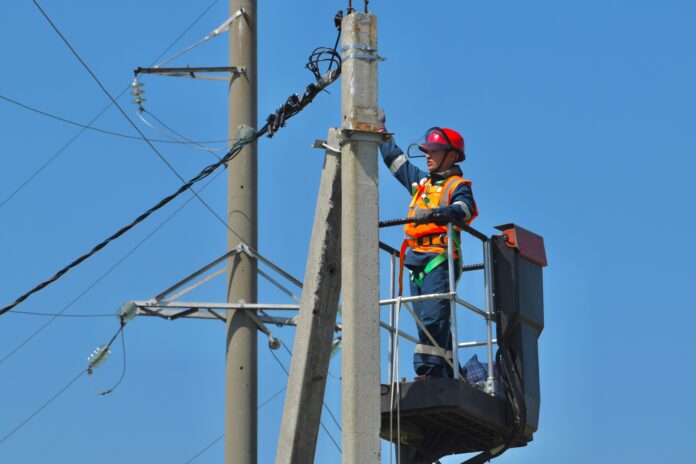
WNCC in Scottsbluff/Alliance is known for its Powerline Construction & Maintenance Technology AAS. Standard electricians work on buildings, but this program trains utility lineworkers.
The Beginner Course: If you are looking for general electrical, WNCC offers CNST-1630 Electrical Theory, Safety, and Distribution. This is an introductory course, and it covers the National Electrical Code, residential wiring, load calculations, and circuit theory.
How Nebraska Licensure Works
It’s very important to know that in Nebraska, you usually cannot just take a course and immediately take the Journeyman exam. You need experience hours.
Electrical courses are designed so that after, you can go train into an apprenticeship. Completing the AAS degree prepares you to become an apprentice. After you complete the degree, you will still have around three additional years of field experience as a paid apprentice before the state lets you sit for the Journeyman Electrician exam.
Where to Find Apprenticeships in NE:
- Union (JATC): Omaha Joint Electrical Apprenticeship (OJEATC) and the Lincoln Electrical JATC offer training programs in NE where tuition is covered by union dues and employer contributions.
- Non-Union (ABC/Independent): Associated Builders and Contractors (ABC) connects students with private contractors who sponsor training.
- Utility Companies: OPPD or NPPD offer specialized apprenticeships for powerline specialists.
Is it worth going into debt for electrician training NE?
The online course through WNCC is around $3,000. A full two-year AAS degree will cost more, but it opens doors to higher-level jobs. Compare that $3,100 to the $54,600 average apprentice salary. Even if you pay for the course entirely out of pocket, you get that back in your first months on the job. That is a return on investment you won’t get from many other careers.
Final Thoughts
If you are older and want to start a different career, your biggest asset is your maturity. You show up on time, you take safety seriously. But not every course is the same. When you look at these programs, note the ratio of lecture to lab hours. Some have 30 lecture hours but 45 hours of vocational lab. Others have only 15 lecture hours but 90 lab hours. That is where you want to be. You don’t need someone to talk to you about electricity all day, you need someone to show you how things work and then let you do it yourself. Nebraska’s courses understand this. Focus on your own path, train and work hard, and with good electrician training NE, your career is closer than you think.